
A floor can look extraordinary on day one. The real test is year three, when the kitchen chairs have scraped back a thousand times, muddy shoes have crossed the hallway, or pallet lorries have rolled through a working unit. That is usually when people ask: how durable are resin floors, really?
The short answer is that resin floors are highly durable when the system is correctly specified, professionally installed, and matched to the way the space is actually used. They resist wear, stains, impact and daily traffic far better than many people expect. But durability is not one fixed promise. A decorative resin finish in a bathroom and a heavy-duty resin coating in a warehouse are both resin floors, yet they are built for very different demands.
How durable are resin floors in real life?
In practical terms, resin flooring is one of the more resilient surface choices available for both modern homes and commercial interiors. It forms a continuous, bonded finish over the substrate, which means there are no grout lines, lifted edges or weak seams waiting to fail under pressure. That alone gives it an advantage in spaces where repeated use wears traditional flooring down.
A well-installed resin floor can cope with foot traffic, wheeled traffic, spills, dropped items and regular cleaning without losing its integrity. In residential settings, that might mean standing up to pets, children, wet shoes and furniture movement. In commercial settings, it can mean handling machinery, stock movement or cleaning regimes that would quickly age softer floor finishes.
What often surprises clients is that durability does not have to come at the expense of appearance. Resin can be specified as a design-led finish with depth, texture, tonal variation or terrazzo-inspired detail, while still delivering strong everyday performance.
What makes a resin floor durable?
Durability starts well before the topcoat goes down. The strength of a resin floor depends on the full system beneath the surface, including substrate preparation, moisture management, primer selection, build thickness and the final seal. If any one of those stages is rushed, the floor may still look good initially, but it is less likely to age well.
The type of resin matters too. Epoxy resin is known for excellent hardness, chemical resistance and compressive strength, which makes it a strong option for garages, workshops and commercial units. Polyurethane systems offer slightly more flexibility and can be a smart choice where there may be minor movement in the substrate or where comfort underfoot matters more.
The finish also plays a part. A matt decorative floor in a family kitchen can be incredibly hard-wearing, but it may show scuffs differently from a gloss metallic floor under the same conditions. That does not make one weaker than the other. It simply means durability should always be judged alongside maintenance, expected wear patterns and visual preference.
The substrate is part of the story
Resin is only as good as the surface it is bonded to. If the concrete below is weak, damp, cracked or contaminated, that has to be addressed properly. A premium resin installation is not just about crafting a beautiful finish. It is about building a stable foundation that can support that finish for years.
This is one reason professionally installed resin flooring tends to outperform budget alternatives. The unseen preparation is often what determines whether the floor remains dependable or starts to fail prematurely.
Where resin floors perform best
Resin is particularly strong in spaces that demand both visual clarity and practical resilience. In homes, kitchens, hallways, utility rooms and bathrooms are common choices because the floor has to deal with moisture, regular cleaning and constant movement. Seamless resin suits these areas beautifully because there is nowhere for dirt to gather and no joints to weaken over time.
In commercial spaces, the answer to how durable are resin floors becomes even more compelling. Retail units benefit from a polished, brand-conscious finish that can withstand steady footfall. Garages and workshops need resistance to oils, abrasion and impact. Warehouses need systems specified for heavier use, often with additional thickness or specialist coatings to suit forklifts and industrial activity.
Not every resin floor is designed for every setting, and that is where specification matters. A stylish residential overlay is not the same product as a heavy-duty industrial coating, even if both sit under the same broad category.
What can damage a resin floor?
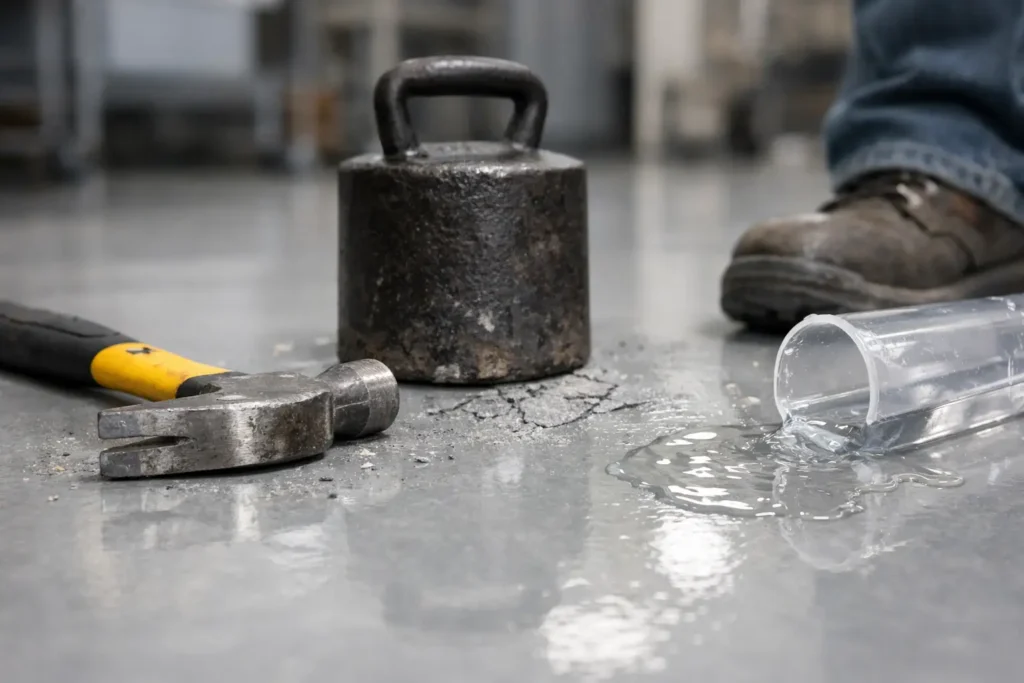
Resin is tough, but no surface is indestructible. Sharp impact from heavy metal objects can chip some systems. Prolonged UV exposure can affect certain resin types, particularly if the wrong material is used in sun-filled spaces. Dragging abrasive equipment repeatedly across the floor can mark the surface, especially if grit is left uncleaned.
There is also a difference between structural damage and cosmetic wear. Fine scratching in a high-traffic entrance does not mean the floor has failed. It means the space is being used, and the finish may eventually benefit from a refresh coat. In many cases, the floor itself remains sound while only the top visual layer shows age.
This is one of the more useful things to understand before choosing resin. Durability is not just about whether the floor survives. It is about how gracefully it ages.
Heavy use needs the right specification
If a client asks for a refined decorative finish in a space that will take workshop-level abuse, honesty matters. The most successful resin floors are the ones designed around real use rather than idealised use. A beautiful floor should still be practical, but it should not be expected to perform beyond the system chosen.
That balance between artistry and technical performance is where bespoke specification becomes valuable.
How long do resin floors last?
A professionally installed resin floor can last many years, and in some environments considerably longer, before major refurbishment is needed. In a well-kept residential interior, lifespan can be impressive because the wear is relatively light and maintenance is straightforward. In commercial settings, longevity depends more heavily on traffic levels, impact, cleaning routines and whether the original system was built to suit the environment.
Some floors may need only minor cosmetic attention after years of use. Others, especially in demanding sites, may need a new topcoat sooner to keep the finish looking fresh. That is not unusual. It is part of managing a high-performing surface in a hard-working space.
The better question is often not how many years a resin floor will last, but how well it will perform during those years. A floor that continues to look sharp, clean easily and support daily activity without recurring repairs offers far more value than a cheaper option that needs replacing early.
Maintenance and durability go together
One reason resin holds up so well is that it is easy to maintain. Its seamless surface does not trap dirt in joints, and regular cleaning usually requires little more than sweeping and mopping with suitable products. That reduces build-up, helps preserve the finish and makes the floor easier to keep looking considered.
Poor maintenance will shorten the life of any flooring material, including resin. Letting grit sit on the surface, using overly aggressive cleaning chemicals or ignoring early signs of damage can all affect long-term appearance. By contrast, a simple care routine can make a noticeable difference to how the floor wears.
For design-led interiors, this matters just as much as structural strength. A floor is part of the whole visual atmosphere of a room. Durability is not only about resistance. It is also about retaining that composed, crafted appearance over time.
Is resin more durable than other flooring?
Compared with many common alternatives, resin performs extremely well. It is typically more resistant to staining and easier to clean than tile with grout lines. It can outlast vinyl in demanding settings and offers a more refined, architectural feel than many standard commercial finishes. Against polished concrete, resin often provides greater design flexibility and a more controlled final look.
That said, every material has strengths. Tile can be excellent in some traditional interiors. Timber brings warmth that resin is not trying to imitate. Concrete has its own industrial character. Resin stands out when the brief calls for a seamless, modern surface that combines aesthetic impact with real resilience.
For clients in Essex and London who want a finish that feels both elevated and hard-working, that balance is often the deciding factor.
So, how durable are resin floors?
Durable enough for busy family homes, demanding commercial spaces and design-conscious interiors that need to do more than simply look good. But the true answer is more precise than that. Resin flooring is durable when the material, build-up and finish are chosen with care, and when installation is treated as craftsmanship rather than a quick coating job.
If you want a floor that carries visual presence and everyday strength in equal measure, resin is one of the most compelling choices available. The smartest place to start is not with a generic promise of toughness, but with a clear conversation about how the space lives, works and needs to feel for years to come.